Sleep and recovery
Why a short night raises the next morning's number before you have eaten anything, and what the body is actually doing in the hours you are not giving it.
A free live workshop for Indian women
Ninety minutes on the five things that actually drive blood sugar, why they only make sense together, and what nobody explains when they hand you a diet chart.
Before you register, one thing — 90 seconds
I open a limited number of live seats each month.
Every one of those is a sign of effort. Not one of them is a sign of failure. And effort is not what has been missing.
Imagine water spilled across your kitchen floor. You take a mop and you clean it up. An hour later the water is back. So you mop faster. You buy a better mop. You start mopping twice a day. The water still comes back.
Nobody would call that a discipline problem.
There is a pipe leaking behind the wall, and the pipe is leaking because of the pressure on it.
Almost every woman I work with is doing an enormous amount of mopping. Cutting rice. Walking after dinner. Reading labels. Following the chart exactly. And underneath all of it, the pressure on the pipe has never been looked at once. Years of short sleep. Years of stress that never fully switches off. Years of dieting, losing, regaining. A nervous system that has not properly rested in a decade.
This workshop is about the pipe.
Why a short night raises the next morning's number before you have eaten anything, and what the body is actually doing in the hours you are not giving it.
How stress hormones tell the liver to release glucose with no food involved at all, which is why a morning reading can be high after a dinner with no rice and no roti.
What actually changes the response to a meal. Order, pace, portion and timing, applied to the roti and rice already on your table. Including the part almost nobody answers for a vegetarian household, which is where the protein is supposed to come from.
Why being on your feet all day and being metabolically active are two different things, and the small change that matters more than the step count.
The moments no single specialist can help you with. Broken sleep on an exercise morning. Needing something in your stomach to fall asleep. Two right answers pulling in opposite directions, and how to know which one to take.
Each of these has real evidence behind it on its own. None of them works properly in isolation, which is the reason most plans built on one of them quietly stop working.
I work alongside your doctor, never in place of your doctor. Nothing in this workshop replaces medical care, and nothing in it is a reason to change any medication you are taking. That is a conversation for you and your physician.
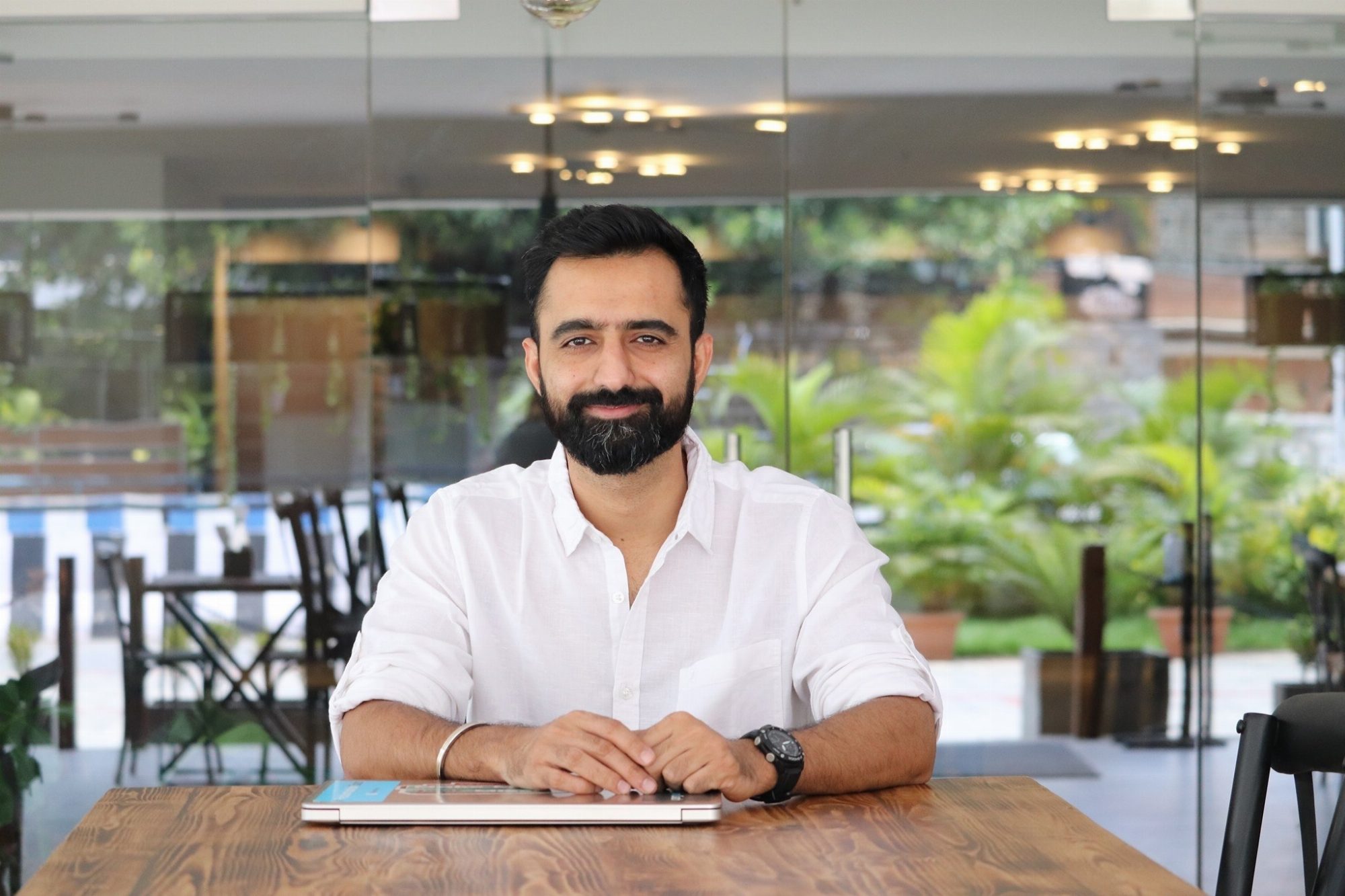
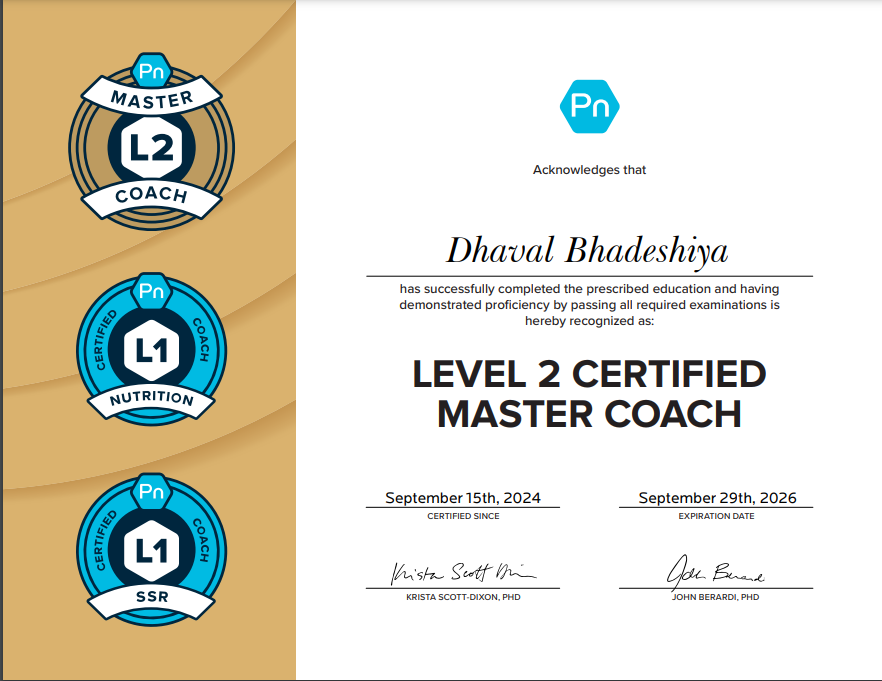
I saw the gap, and I tried to fix it. Before any of this I spent fifteen years in corporate technology, at Microsoft, Oracle, NetApp and HP Enterprise. I watched people around me struggle with their health, so I learned to teach exercise and got certified through the American Council on Exercise. Exercise alone did not get people where they wanted to go, so I learned nutrition at Precision Nutrition. Results improved, and some people still could not hold it together day to day, so I studied change psychology and habit-based coaching and became a Master Health Coach.
People were doing better and a few were still stuck. The missing piece was sleep, stress and recovery, so I trained in that too. That changed the game completely.
Over ten years of coaching, the pattern I kept meeting was this: women who came to me about their blood sugar were already eating reasonably well and already walking after meals. Sleep, stress and recovery had never been addressed by any programme they had been on. When we started there, things moved.
Master Health Coach, Precision Nutrition (accredited by the National Board for Health & Wellness Coaching, USA) · Certified Nutrition Coach · Certified Sleep, Stress Management & Recovery Coach · Certified Personal Trainer, ACE · Certified yoga trainer · Author of a book on sleep · Named "Smartest Coach in the Room" by Precision Nutrition. My practice is private and it is small on purpose.
Ria came to me having done everything she had been told. Rice gone at dinner. A walk after every meal. Home cooked food, every single day, for years. She was convinced the problem was that she was not trying hard enough.
We spent the first month barely touching her food. We worked on her sleep, and on the stress she had stopped noticing because it had been there so long it felt like her personality. Our yoga therapy specialist worked with her on the breathing side of it.
What she says now is not about a number. It is that she stopped waking at three in the morning, that eating a roti at her mother in law's table no longer costs her the rest of the evening in guilt, and that the whole thing finally stopped feeling like a fight she was losing.
The last thirty minutes are questions, and the questions are usually the part people tell me afterwards was the most useful.
A free live workshop for Indian women
Ninety minutes on the five things that actually drive blood sugar, why they only make sense together, and what nobody explains when they hand you a diet chart.
I open a limited number of live seats each month.